
Bååstede
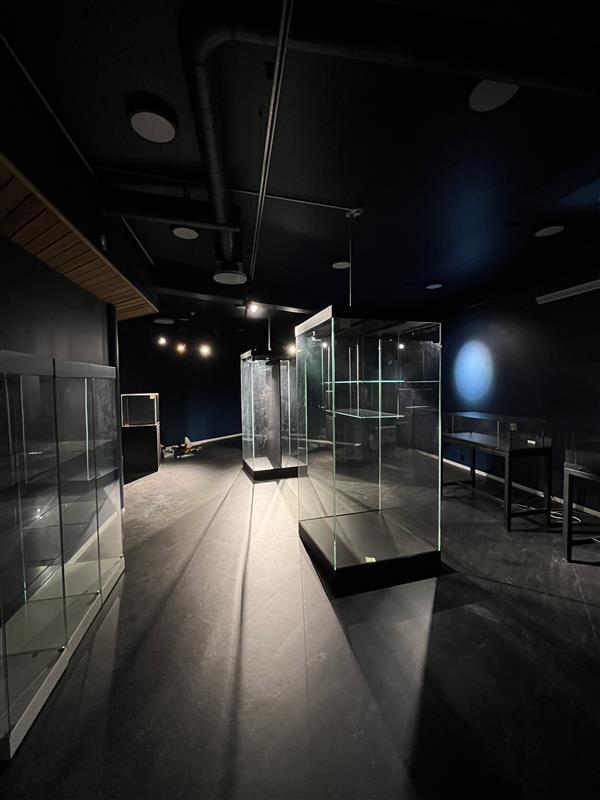
This room may appear empty now — but it will soon house a selection of objects from the Bååstede collection, part of Norway’s largest repatriation initiative involving Sámi cultural heritage.
The word Bååstede means “to return” in South Sámi. As part of this national effort, 366 objects have been returned to Árran from museum collections in Oslo and elsewhere. These items represent approximately half of the total designated for repatriation to Sámi communities across Norway.
Most of the objects were collected during the 19th century, when Norwegian and European ethnographers visited Sámi areas. Often, these items were taken without consent — removed from their makers, stripped of their cultural context, and separated from the lands they belonged to.
Their return marks an important shift — but it has not come without challenges.
Registration, documentation, and conservation require extensive resources. Many objects were historically treated with toxic pesticides — once common practice in museums, now recognized as hazardous to human health. Today, museum staff must follow strict safety procedures and wear protective suits when handling the material. New methods are being developed to protect the objects, the museum workers, and future visitors.
This is a shared reality for Sámi museums engaged in repatriation. The process is complex and often slow — but also deeply meaningful.
Where assimilation policies once sought to erase Sámi culture, these objects now serve as vehicles for cultural memory, continuity, and revitalization. At Árran, the aim is not to display them as static artifacts behind glass, but to place them in dialogue with living Sámi traditions — language, storytelling, craft, and community knowledge.
This work is fundamentally collaborative — a meeting point between museum professionals and local communities, between traditional knowledge and scientific conservation, between the past and the future.
It is not only a return — but a new beginning.
Internationally, these conversations are also growing. Museums in Germany, for example, hold substantial Sámi collections — including clothing, tools, ceremonial objects, and sacred items collected during the same historical period. Many of these were also taken without consent and remain in storage today.
Cross-border dialogue has now begun, opening possibilities for future repatriation, recognition, and repair.
This room empty room is only the beginning.